Jul
News
Types of Solar Panels: Comparing Solar Panels For Residential Homes
When buying a solar system, choosing the right types of solar panels is the most important decision for your home. You need to understand what is solar energy and how it transforms into usable electricity to find the best option. The way how solar energy works depends heavily on the specific cell technology you select. To experience the maximum benefits of solar energy, you should look for the right balance between cost and performance. This complete guide from Solar Power Vietnam provides solar energy explained clearly to help you make the right choice.
Overview of solar energy
Simple definition
To understand solar panels, we first need to know what is solar energy. Solar energy is a clean and completely natural energy source collected from sunlight shining on the Earth every day.
How solar energy works
The process of how solar energy works happens in a very organized way. When sunlight hits the surface of a solar panel, it interacts with the silicon cells inside the panel. This process releases small charged particles, creating direct current (DC) electricity. The electricity is then converted by an inverter into alternating current (AC) electricity to power common household appliances such as TVs, fans, refrigerators, and air conditioners.
Core value (Solar energy explained)
To make solar energy explained more clearly, this is a renewable energy source that is completely free and automatically renewed every day. Producing and using this electricity helps families reduce dependence on the traditional power grid while avoiding concerns about rising electricity prices.
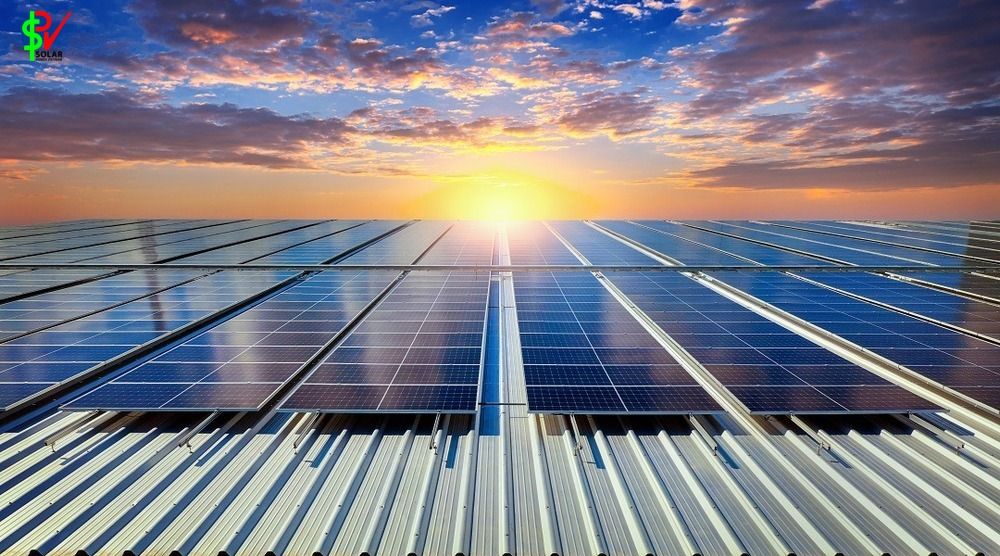
Overview of solar energy
The three most common types of solar panels today
Solar panel manufacturing technology has developed through many stages. Currently, the solar energy market mainly includes 3 major types of solar panels, each with different technical characteristics.
1. Monocrystalline solar panels
- Structure and appearance: This type of panel is made from solar cells cut from a single pure silicon crystal. This process allows electrical particles to move more efficiently. In terms of appearance, Mono panels have a smooth black color and a modern design.
- Market reality: This is currently the highest-quality and most efficient solar panel technology. As a result, it accounts for nearly 98% of residential and villa solar installations today.
2. Polycrystalline solar panels
- Structure and appearance: Instead of using one pure crystal, this technology melts multiple silicon fragments together to create solar cells. Because of the mixed crystal structure, the panel surface usually appears blue with visible grain patterns.
- Market reality: Although cheaper than Mono panels, Poly technology is now considered outdated. Due to lower electricity output, this type of panel is rarely used in new residential solar projects today.
3. Thin-film solar panels
- Structure and appearance: This type of panel does not use thick silicon wafers. Instead, it is made by coating very thin photovoltaic materials onto glass, plastic, or metal surfaces. Thin-film panels are lightweight and flexible.
- Market reality: Thin-film solar panels have very low conversion efficiency. Therefore, they are not suitable for limited residential roof spaces. They are mainly used for portable devices, RVs, boats, or extremely large factory roofs.
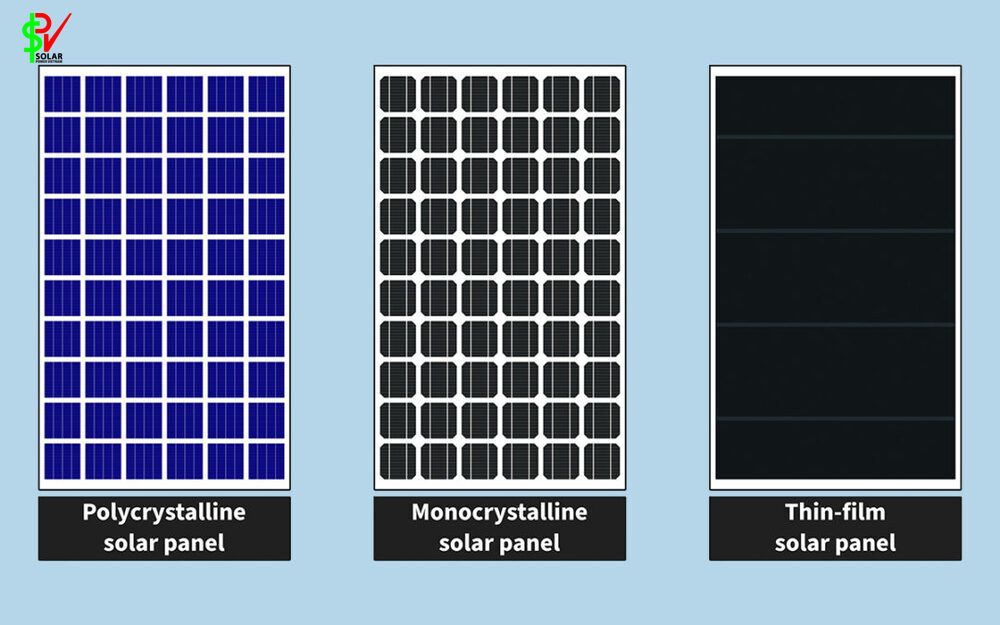
The three most common types of solar panels today
Detailed comparison: Monocrystalline vs Polycrystalline
To help you easily compare monocrystalline vs polycrystalline technologies, below is a practical comparison table:
| Comparison Feature | Monocrystalline Panels | Polycrystalline Panels |
| Appearance | Smooth black color, modern and premium look | Blue color with grain patterns |
| Power efficiency | Very high, around 20% to 25% | Lower, around 15% to 18% |
| Roof space required | Requires less roof space for the same electricity output | Requires much larger roof space |
| Durability & lifespan | Extremely durable, lasting 30 to 40 years | Shorter lifespan, around 20 to 25 years |
| Investment cost | Higher upfront cost | Cheaper but difficult to find new products |
Solar panel efficiency and the best choices
What is solar panel efficiency?
Solar panel efficiency is the percentage of sunlight that solar cells can convert into usable electricity. For example, a panel with 20% efficiency can convert 20% of sunlight into electricity, while the rest becomes heat or reflected light.
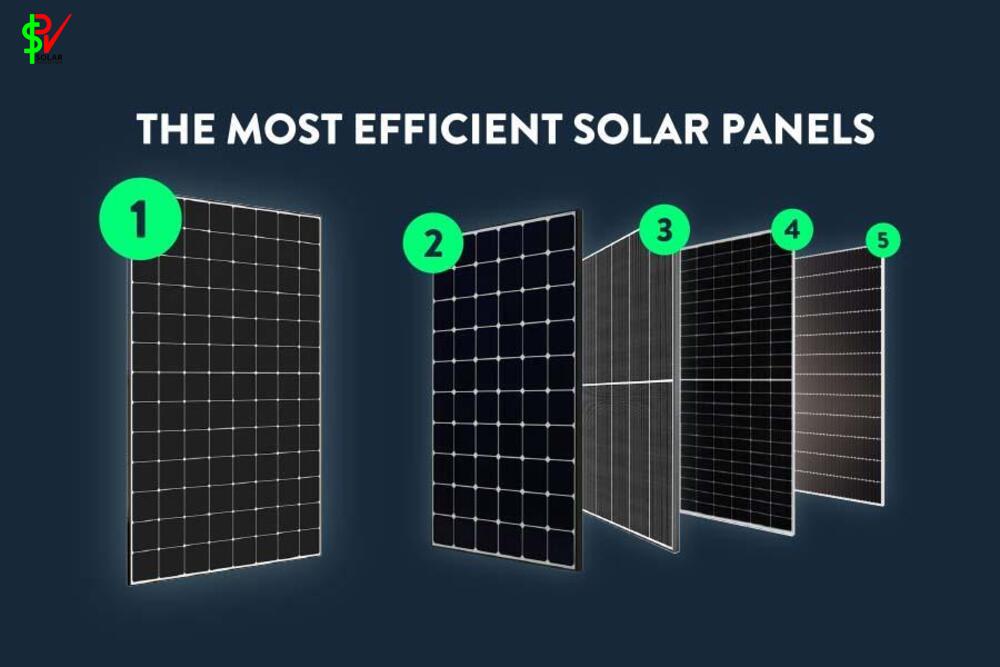
Today, the most efficient solar panels on the market can reach efficiency levels of 22% to 23%. These products use advanced technologies such as TOPCon or HJT, helping panels maintain strong performance even under weak sunlight conditions like early mornings, late afternoons, or cloudy weather.
How to choose the best solar panels
To find the best solar panel systems for your home, you should base your decision on the following two practical criteria:
- Based on roof area: If your roof space is limited, such as in townhouses or narrow homes, you should choose the highest-efficiency solar panels possible. This helps maximize electricity production per square meter.
- Based on brand reputation: You should choose products from globally trusted manufacturers. These brands usually provide certified product quality and clear warranties of 25 years or more.
Solar panel efficiency and the best choices
Real-life benefits of choosing the right solar panels
Choosing high-quality solar panels from the beginning brings many important real-life benefits for your family:
- Maximum electricity savings: Modern Monocrystalline panels generate more electricity in all weather conditions, helping reduce the amount of electricity you need to buy from the power company every month.
- Long-term peace of mind: High-quality solar panels are built with strong structures that can withstand sunlight, rain, and storms. After one installation, you can use them for decades with very little maintenance.
- Increased home value and appearance: Black Monocrystalline panels give your roof a modern and elegant look. This not only improves the appearance of your home but can also increase its property value if you decide to sell it in the future.

Real-life benefits of choosing the right solar panels
Frequently asked questions (FAQ)
Question 1: Why do most homeowners now choose Monocrystalline panels instead of Polycrystalline panels?
Answer: The biggest reason is that the price of Monocrystalline panels has become much more affordable than before. With a lifespan of up to 40 years and much higher electricity production on the same roof area, Monocrystalline panels provide far better long-term economic value.
Question 2: How can I know if a panel belongs to the most efficient solar panels category?
Answer: You can check the technical datasheet attached to the back of the panel. Look for the line called “Module Efficiency.” If the number is 22% or higher, the panel belongs to the highest-efficiency group currently available on the market.
Question 3: What is the practical difference between black and blue solar panels?
Answer: Black panels (Monocrystalline) have a more uniform crystal structure, allowing them to absorb more sunlight and handle heat better, which results in stronger electricity production. Blue panels (Polycrystalline) have lower silicon purity, reflect more light, and lose efficiency more quickly in extremely hot weather.
Question 4: Do all solar panels have the same dimensions?
Answer: Not exactly. Panel size depends on the number and arrangement of solar cells inside the panel, such as 108-cell or 144-cell designs. However, Monocrystalline panels save more roof space because fewer panels are needed for the same power output.
Question 5: Can I choose the cheapest solar panels on the market to save money?
Answer: You should avoid unusually cheap solar panels. These products are often based on outdated technology or low-quality materials with unclear origins. They usually lose efficiency quickly after only a few years and may develop cracked glass or electrical leakage problems during heavy storms.
To ensure safe operation, long-lasting performance, and the best electricity savings, homeowners should invest in high-efficiency Monocrystalline panels from trusted suppliers. The engineering team at Solar Power Vietnam is always ready to help inspect your roof structure, calculate system capacity, and recommend the most suitable solar solution for your family.