Jun
News
Solar Panels For Home: A Simple A-Z Guide For Beginners
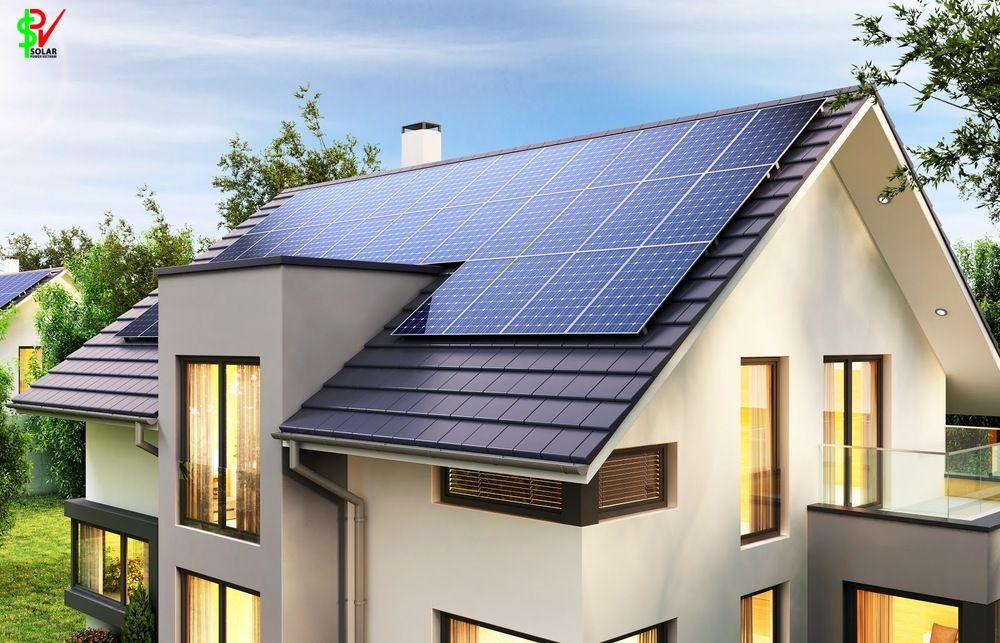
Today, installing solar panels for home is becoming a popular solution for families who want to produce their own electricity. By using rooftop solar for homes, homeowners can reduce monthly electricity bills while helping protect the environment. A complete home solar panel system converts sunlight into clean and safe energy for daily household use. If you are looking for a practical residential solar energy solution, Solar Power Vietnam will help you understand how the system works, installation steps, and important things to know before getting started.
1. What is a home solar panel system?
A home solar panel system is a setup that converts sunlight into electricity for household use. You can think of it as a small power station installed directly on your roof. During the daytime, solar panels absorb sunlight and generate electricity that can power many appliances inside your home.
Today, more families are choosing solar panels for home because they help reduce electricity costs and provide a cleaner energy source. Modern systems are also much easier to use and maintain than many people expect.
Main parts of the system
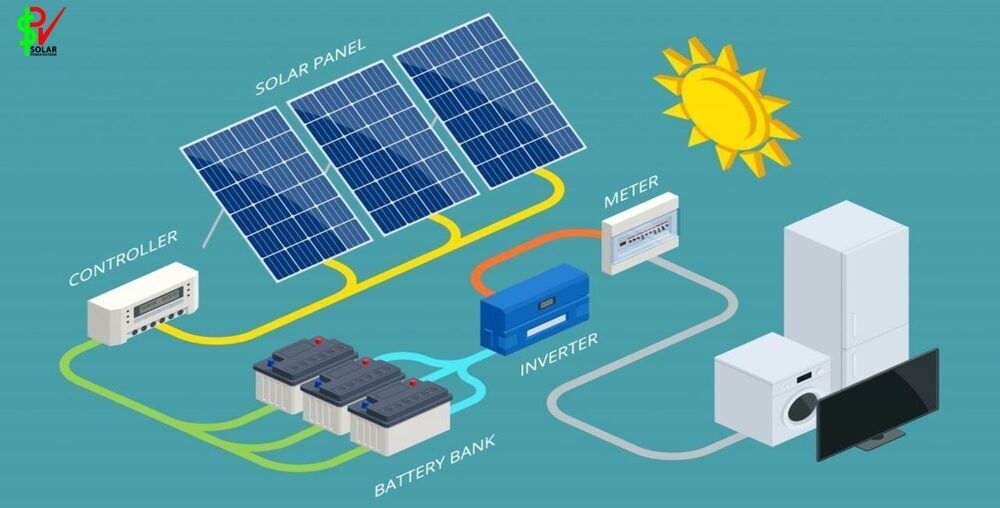
A standard home solar panel system usually includes several important components that work together to create electricity efficiently.
- Solar panels: These panels collect sunlight and generate electricity during the day. They are normally installed on rooftops where sunlight exposure is strongest.
- Inverter: Solar panels create DC electricity, but household appliances use AC electricity. The inverter changes solar electricity into usable power for devices such as TVs, refrigerators, washing machines, and air conditioners.
- Mounting structure: This structure keeps the solar panels fixed securely on the roof and helps position them at the correct angle for better sunlight absorption.
- Battery storage (optional): Some families install batteries to store extra electricity produced during the daytime. The stored energy can be used at night or during power outages.
A modern rooftop solar for homes system can operate automatically after installation. Homeowners can also monitor electricity production through mobile apps or monitoring systems.
Main parts of the system
2. Why should you install rooftop solar for homes?
Installing rooftop solar for homes offers many long-term benefits for homeowners. Besides reducing monthly electricity costs, solar energy also helps create a cleaner and more sustainable environment.
One of the biggest reasons people choose solar panels for home is the opportunity to save money over time. Since the system generates electricity from sunlight, homeowners need to buy less electricity from the utility company.
Residential solar energy is also becoming more attractive because electricity prices continue increasing in many areas. Producing your own electricity can help reduce dependence on the traditional power grid.
Main benefits of residential solar energy
Some important advantages of installing a home solar panel system include:
- Lower electricity bills: Families can reduce monthly energy expenses by using electricity generated from sunlight.
- Environmentally friendly energy: Residential solar energy does not produce harmful emissions during operation, making it a cleaner energy solution.
- Higher property value: Homes with solar systems are often more attractive to buyers because they offer long-term energy savings.
- More stable electricity supply: If battery storage is included, homeowners can continue using electricity during blackouts or emergencies.
- Low maintenance requirements: Modern solar panels are durable and usually require only basic cleaning and periodic inspections.
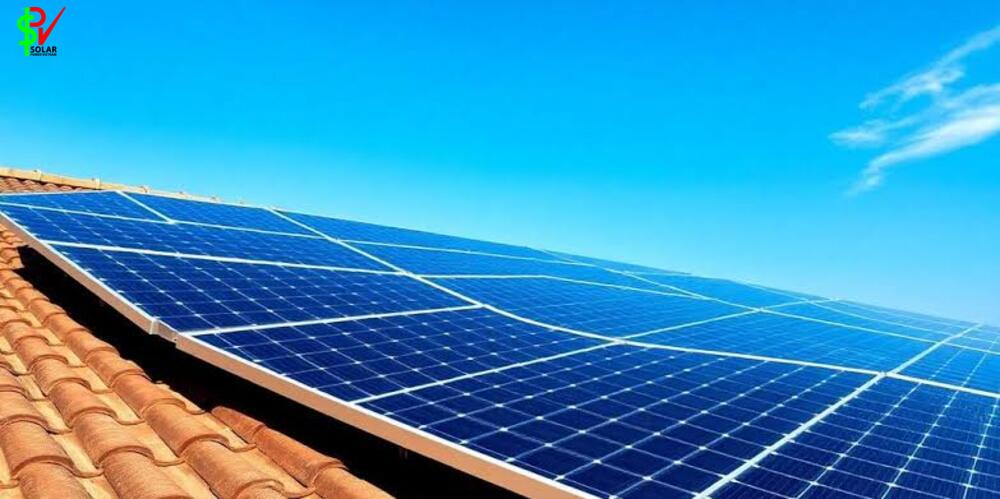
With proper installation, solar panels for homes can continue operating efficiently for decades.
Main benefits of residential solar energy
3. What should you prepare before installing solar panels for home?
Before installing a home solar panel system, homeowners should evaluate several important factors to ensure the system works effectively and matches their energy needs.
Check your roof condition and size
Your roof should have enough space to install solar panels safely. Most small residential systems need around 10 to 20 square meters of roof area, depending on energy usage and panel efficiency.
The roof should also be strong enough to support the solar installation. If the roof is old or damaged, repairs may be necessary before installation begins.
In addition, nearby buildings or large trees should not block too much sunlight from reaching the panels. Excessive shade can reduce electricity production significantly.
Understand your monthly electricity usage
Before choosing a system size, it is important to review your electricity bills from previous months. This helps estimate how much electricity your family uses regularly.
A smaller household may only need a basic system, while larger homes with multiple air conditioners or heavy electricity usage may require a larger setup.
Choosing the correct system size helps homeowners avoid overspending or installing insufficient capacity.
Choose the right type of solar panel
There are different types of solar panels available on the market. The two most common options are monocrystalline panels and polycrystalline panels.
Monocrystalline Panels (Mono)
Mono panels are usually black and have a more modern appearance. They offer higher efficiency and better performance in low-light conditions. Although they are slightly more expensive, many homeowners prefer them because they require less roof space.
Polycrystalline Panels (Poly)
Poly panels are usually blue and more affordable. However, they generally require a larger installation area because their efficiency is slightly lower compared to Mono panels.
Choosing the right solar panels for home depends on factors such as budget, roof size, and electricity needs.
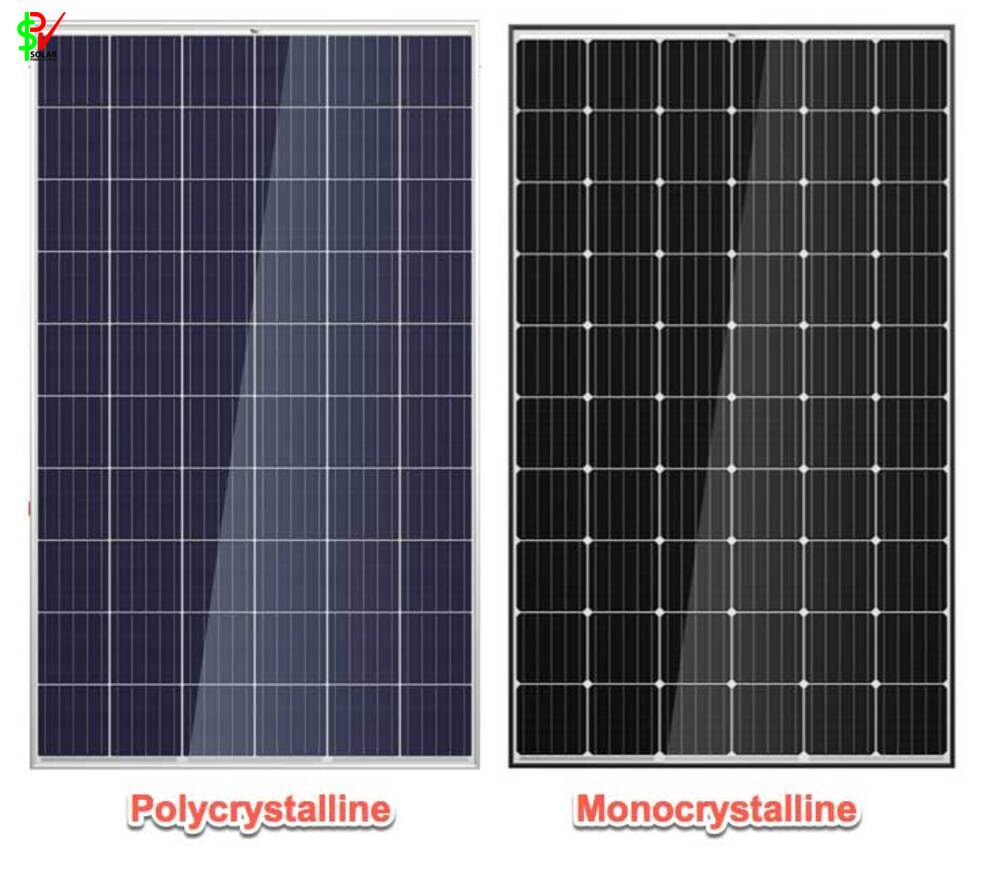
Choose the right type of solar panel
4. What are the steps in the installation process?
Understanding the installation process can help homeowners feel more confident before starting a residential solar energy project. Installing rooftop solar for homes usually takes several steps, from roof inspection to final system testing.
- Step 1: Site Inspection: Technicians visit the property to check roof conditions, measure available space, and evaluate sunlight exposure throughout the day.
- Step 2: System Design: After the inspection, the company designs a suitable home solar panel system based on electricity usage, roof size, and customer requirements.
- Step 3: Hardware Installation: Workers install the mounting structure and securely attach the solar panels to the roof.
- Step 4: Electrical Connection: The solar panels are connected to the inverter and the home’s electrical system. Safety testing is also performed during this stage.
- Step 5: Testing and Handover: Finally, technicians test the entire system to ensure everything operates correctly. Homeowners are also guided on how to monitor electricity production through mobile applications.
Most solar panels for home installations can be completed within a few days, depending on the size of the project.
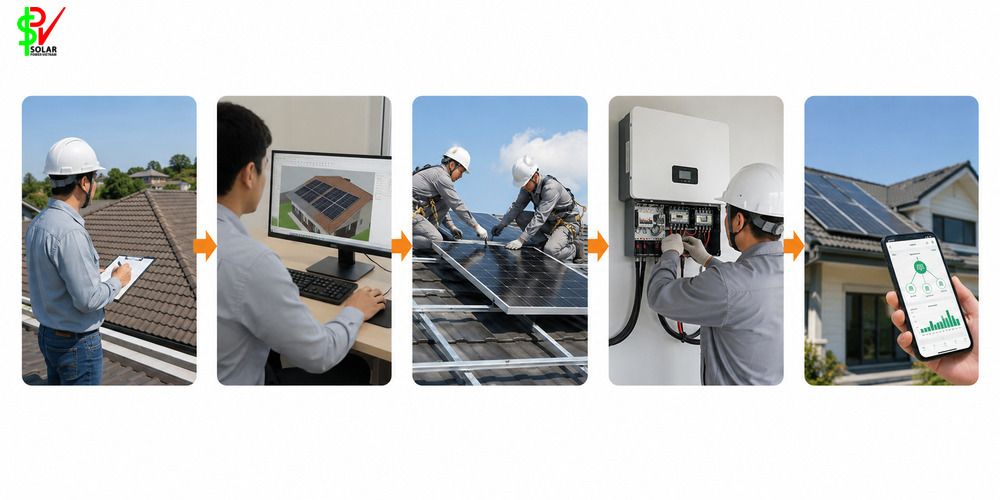
The steps in the installation process
5. Tips for choosing a reliable installation company
Choosing the right installation company is extremely important because system quality and installation standards directly affect long-term performance. A reliable installer can help homeowners avoid technical problems and improve system safety.
Important things to consider
Before choosing a solar installation company, homeowners should pay attention to several factors.
- Customer reviews: Reading online reviews and checking feedback from previous customers can help you understand the company’s reputation.
- Experience and certifications: Professional technicians with installation experience can reduce risks such as roof leakage or electrical issues.
- Warranty policies: Reliable companies usually provide long-term warranties for both solar panels and installation services.
- Technical support: Good after-sales support is important if maintenance or repairs are needed in the future.
- Product quality: Avoid choosing systems based only on cheap pricing. High-quality equipment usually provides better efficiency and durability.
A trusted installer will help your rooftop solar for homes system operate safely and efficiently for many years.
Tips for choosing a reliable installation company
6. Frequently asked questions (FAQ)
1. Do solar panels still work at night or during rainy days?
At night, solar panels stop producing electricity because there is no sunlight. During rainy or cloudy weather, the panels still generate electricity, but the output will be lower compared to sunny conditions.
2. How long can a home solar panel system last?
Most high-quality solar panels can operate efficiently for around 25 to 30 years with proper maintenance.
3. Do solar panels require regular cleaning?
Not very often. Rainwater can naturally remove much of the dust and dirt. Professional cleaning once or twice a year is usually enough.
4. Can solar panels be installed on metal roofs or tile roofs?
Yes. Solar panels for homes can be installed on many types of roofs, including metal roofs, tile roofs, and concrete roofs.
5. How long does it take to recover the installation cost?
The payback period depends on electricity usage, sunlight conditions, and system size. In most cases, homeowners recover their investment within 4 to 7 years.
Installing solar panels for home is a smart long-term investment for modern families. A reliable home solar panel system can help reduce electricity bills, increase property value, and support a cleaner environment. With the growing popularity of rooftop solar for homes, more people are discovering the benefits of residential solar energy every year. Solar Power Vietnam recommends choosing a solution that matches your actual electricity needs and budget for the best long-term results.