Jul
News
How Do Solar Panels Work: An Easy Explanation Of Solar Panel Operation
To understand why this clean energy source can power household appliances, you first need to know how do solar panels work. In reality, the answer to what is solar energy is very simple: it is energy from natural sunlight that is converted into electricity. The process of how solar energy works happens automatically through small photovoltaic cells inside the solar panels. To help you better understand the real benefits of solar energy for your family budget, this article from Solar Power Vietnam will provide solar energy explained in the easiest way possible.
1. What is solar energy?
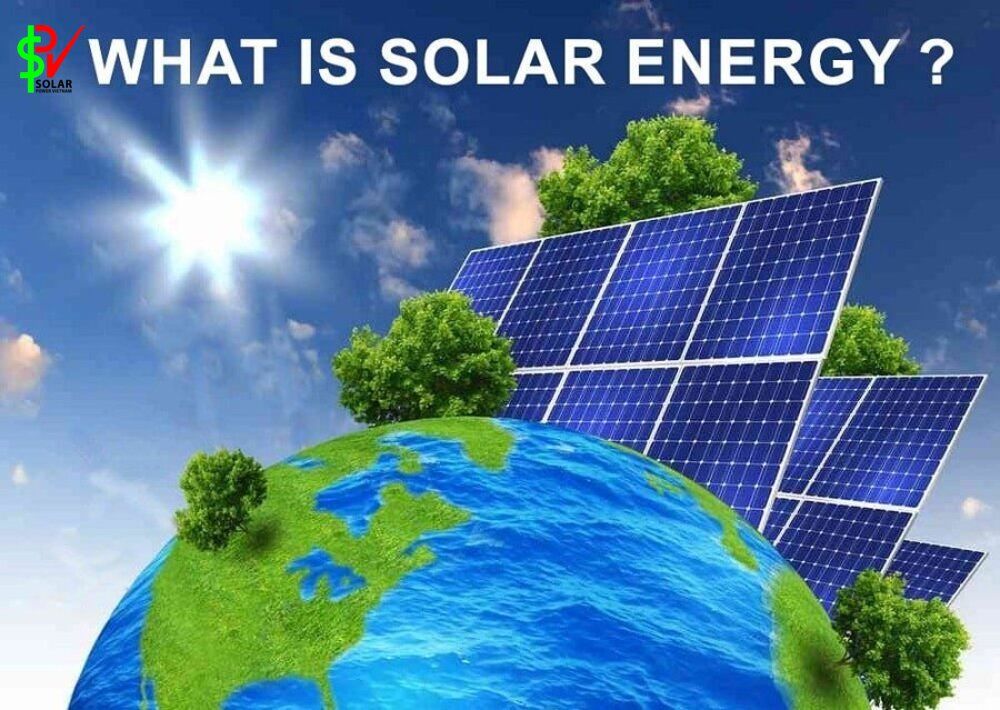
Before learning about solar panels, we first need to understand the source of solar energy. Simply put, solar energy is clean energy that comes from sunlight and heat produced by the sun every day. The Earth receives an enormous amount of energy from the sun, far greater than the total electricity demand of humanity. This energy source has several special natural characteristics:
- Unlimited and renewable: Coal, oil, and natural gas take millions of years to form underground and will eventually run out if overused. Meanwhile, the sun will continue shining for billions of years, meaning we can use solar electricity without worrying about the energy source disappearing.
- Completely clean and environmentally friendly: The process of converting solar energy into electricity does not create smoke, dust, or harmful greenhouse gases such as CO₂ that pollute the air and contribute to global warming like traditional coal power plants.
2. How do solar panels work?
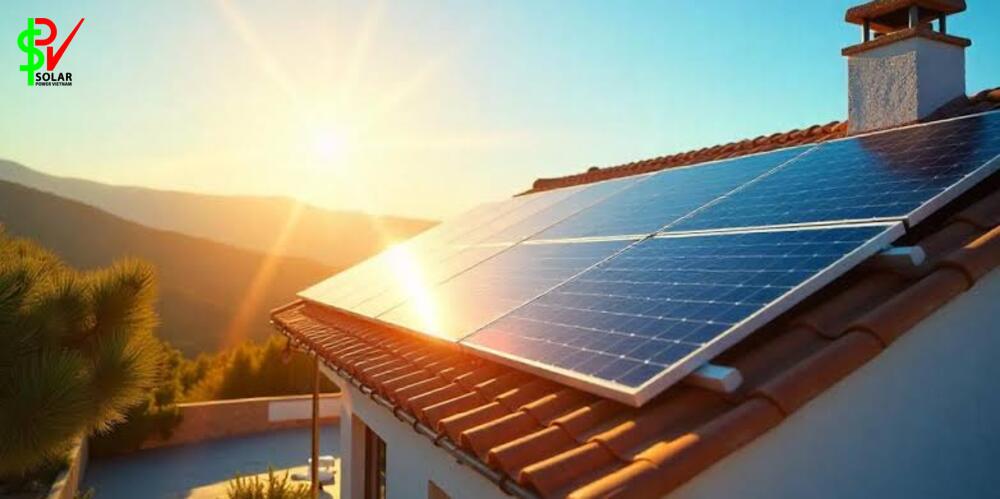
To turn sunlight into electricity for your home, the system goes through a closed process with four main steps. This process happens automatically and silently without any moving mechanical parts.
Step 1: Absorbing sunlight (Not absorbing heat)
The main component of a solar panel is photovoltaic cells, also called solar cells. These cells are made from silicon, a natural semiconductor material commonly found in sand and glass.
When sunlight hits the panel surface, tiny light particles called photons collide with silicon atoms. This collision transfers energy and releases small charged particles called electrons inside the silicon. An important technical fact is that solar panels need sunlight to release these electrons, not high temperatures or heat.
Step 2: Creating direct current (DC) electricity
Inside each silicon solar cell is a special structure that creates an electric field. This electric field acts like a one-way slope that forces the released electrons to move in a single direction.
The movement of millions of electrons creates an electric current called direct current (DC). This is the same type of electricity produced by small batteries, remote-control batteries, or motorcycle batteries.
Step 3: Converting electricity through the inverter
At this stage, the DC electricity produced from the rooftop panels still cannot be used directly in the house. The reason is that household appliances such as televisions, refrigerators, fans, and washing machines operate using alternating current (AC) electricity at a standard voltage of 220V.
To solve this problem, the DC electricity flows through special electrical cables into a central device called an inverter. The inverter works like a “translator,” converting DC electricity into AC electricity with the same frequency as the national power grid.
Step 4: Supplying electricity to the home and storing energy
After passing through the inverter, the clean AC electricity is connected directly to the house’s main electrical panel. From there, electricity is automatically distributed to power all operating appliances in the home. If the solar panels produce more electricity than the family needs during the daytime, the extra electricity will be handled depending on the system design:
- If your home has a solar battery storage system, the excess electricity will charge the battery for nighttime use.
- If the system is a standard grid-tied system without batteries, the inverter will automatically reduce power output for safety and energy efficiency.
To turn sunlight into electricity for your home, the system goes through a closed process with four main steps
3. The real nature of solar electricity generation (Solar energy explained)
Many homeowners have a common misunderstanding about solar power systems: “The hotter the weather is, the more electricity solar panels produce.” In reality, the opposite is true.
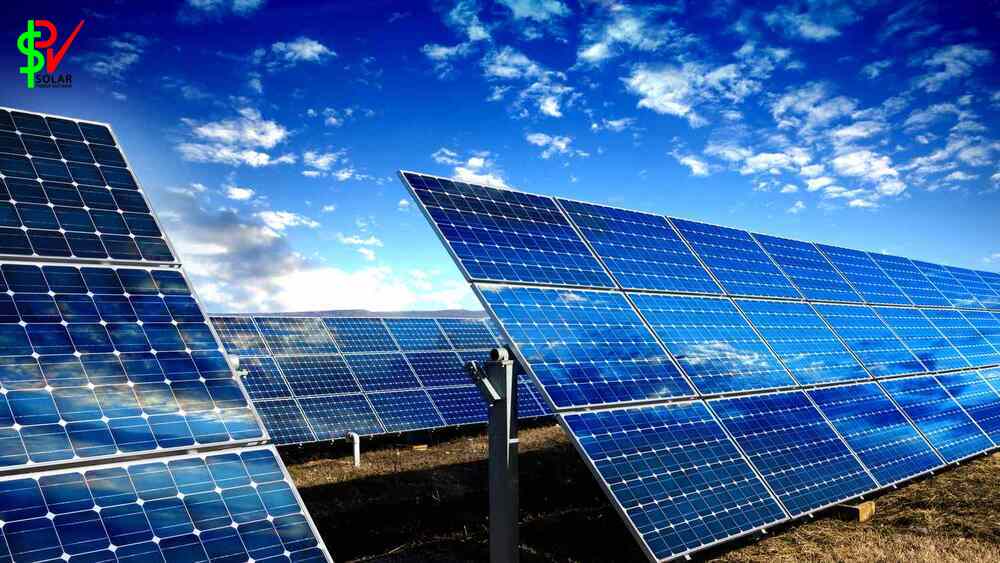
As explained earlier, solar panels need sunlight, not heat, to generate electricity. During extremely hot summer days, the surface temperature of solar panels can reach 60°C to 70°C. When silicon becomes overheated, electron movement slows down, causing electricity generation efficiency to decrease by around 10% to 15%.
On the other hand, during cool winter or autumn days with strong sunlight and fresh air, solar panels are naturally cooled by the wind. In these cooler conditions, silicon cells operate much more efficiently, allowing the system to generate more stable and higher electricity output.
The real nature of solar electricity generation (Solar energy explained)
4. The biggest real-life benefits (Benefits of solar energy)
Understanding how solar panels work helps homeowners clearly see the practical benefits this system brings to everyday life and family finances.
Reduce monthly electricity bills: During the daytime, from around 7 AM to 5 PM, your home can prioritize using electricity generated directly from the rooftop system. This significantly reduces the amount of electricity purchased from the utility company and lowers monthly electricity costs.
Durable system with low maintenance requirements: Because solar panels do not contain moving mechanical parts such as motors, gears, or rotating blades, there is very little wear and tear over time. The system rarely experiences technical problems. In most cases, homeowners only need to clean dust from the panel surface once or twice a year.
Protect the roof structure: Solar panels are installed securely on aluminum mounting structures placed slightly above the roof surface. This setup unintentionally creates an additional protective layer that helps reduce direct sunlight and rain exposure, keeps the space under the roof cooler, and extends the lifespan of the roof itself.
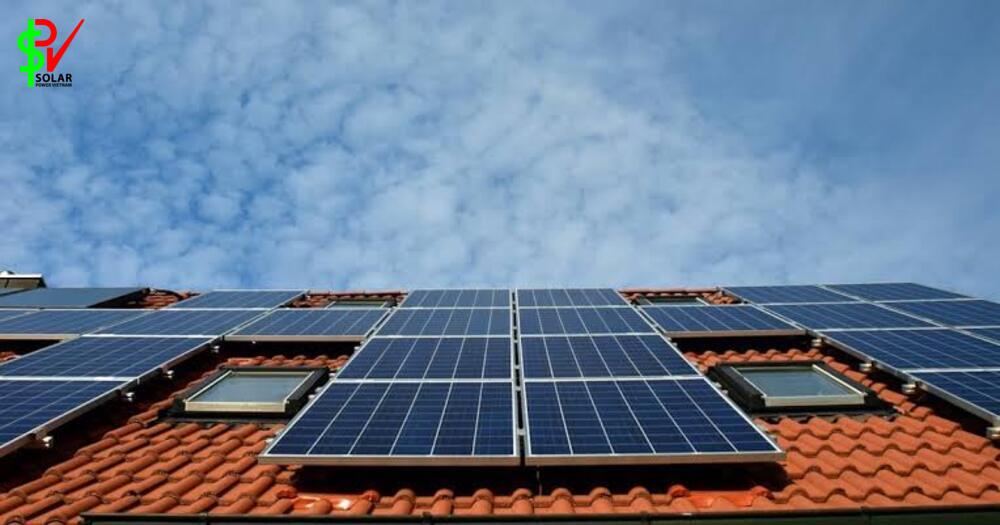
The biggest real-life benefits (Benefits of solar energy)
5. Frequently asked questions (FAQ)
Below are simple and practical answers to the most common questions homeowners ask about how solar power systems operate.
Question 1: How does a solar power system work during rainy or cloudy days?
Answer: During rainy or cloudy weather, sunlight is blocked by clouds but does not disappear completely. Solar panels can still absorb diffused sunlight to generate electricity. However, because sunlight intensity is weaker, system performance may drop to around 20% to 50% compared to a clear sunny day.
Question 2: If solar panels only need light, can streetlights or artificial lights generate electricity?
Answer: In theory, yes. Solar panels can still create a very small electric current under artificial light. However, the intensity of artificial lighting is extremely weak compared to natural sunlight. The electricity generated from streetlights is almost zero and not enough to activate the inverter or provide practical energy usage.
Question 3: Is the silicon material inside solar panels dangerous or likely to catch fire after long exposure to sunlight?
Answer: Pure silicon used in solar panels is made from natural quartz sand and is completely chemically stable, safe, and non-toxic for humans and the environment. International-standard solar panels are protected by strong tempered glass and durable anodized aluminum frames that can withstand hail, storms, and outdoor weather conditions. When installed correctly, the system is very safe and will not catch fire or explode by itself.
Question 4: After 25 years of use, do solar panels stop working completely?
Answer: No. The 25-year number refers to the manufacturer’s performance warranty, not the expiration date of the panel. After 25 years outdoors, the silicon cells naturally age, reducing electricity generation efficiency to around 80% to 85% compared to when the panels were new. However, the panels will still continue operating and producing electricity normally.
Understanding how do solar panels work helps homeowners realize that this technology is safe, automatic, and capable of providing long-term financial benefits. To achieve the highest performance and the most suitable installation for your home design, it is important to work with experienced and trusted solar companies. The engineering team at Solar Power Vietnam is always ready to help inspect sunlight conditions, calculate the best roof angle, and design an efficient system that maximizes electricity production and long-term savings for your family.