Jun
News
Solar Panel Installation: The Correct Solar Installation Process
Solar panel installation is becoming one of the most effective solutions for families who want to reduce electricity costs and use clean energy every day. Many homeowners are interested in the initial investment and wonder how long it takes to recover the solar installation cost. In reality, a properly designed rooftop solar system can provide long-term savings and increase energy independence. With support from Solar Power Vietnam, homeowners can now install rooftop solar panels safely, quickly, and efficiently for long-term use.
1. Check whether your roof is suitable before installation
Before starting a solar panel installation project, the first and most important step is checking whether your roof is suitable for solar energy production. A professional roof assessment helps improve system performance, safety, and long-term durability.
Roof direction and sunlight exposure
The direction of your roof plays an important role in electricity generation. Roofs that receive more sunlight throughout the day will produce higher energy output. In many countries, south-facing roofs are considered ideal because they receive the most direct sunlight. East-facing and west-facing roofs can also work effectively depending on local weather conditions and electricity usage patterns.
A roof with strong sunlight exposure allows rooftop solar panels to operate at higher efficiency levels. This means homeowners can generate more electricity and reduce dependence on the national power grid.
Check for shade
Shade is one of the biggest factors that can reduce solar system performance. Before installation, technicians carefully inspect the roof to identify possible shading from trees, nearby buildings, electric poles, antennas, or water tanks.
Even partial shade on one solar panel can affect the performance of the entire system. That is why experienced installers often recommend trimming trees or adjusting panel placement to avoid shading during peak sunlight hours.
Modern solar panel installation systems may also include technologies such as microinverters or power optimizers to reduce the impact of partial shading and improve efficiency.
Roof space and structural strength
A standard residential rooftop solar system usually requires around 10 to 16 solar panels depending on household electricity consumption. Therefore, homeowners need enough roof space to install the panels properly.
In addition to space, the roof structure must also be strong enough to support the weight of the mounting system and solar panels for many years. Old or damaged roofs may require repairs before installation begins.
Professional installers from Solar Power Vietnam often perform structural inspections before starting any project to ensure maximum safety and system reliability.
Check whether your roof is suitable before installation
2. What is included in solar installation cost?
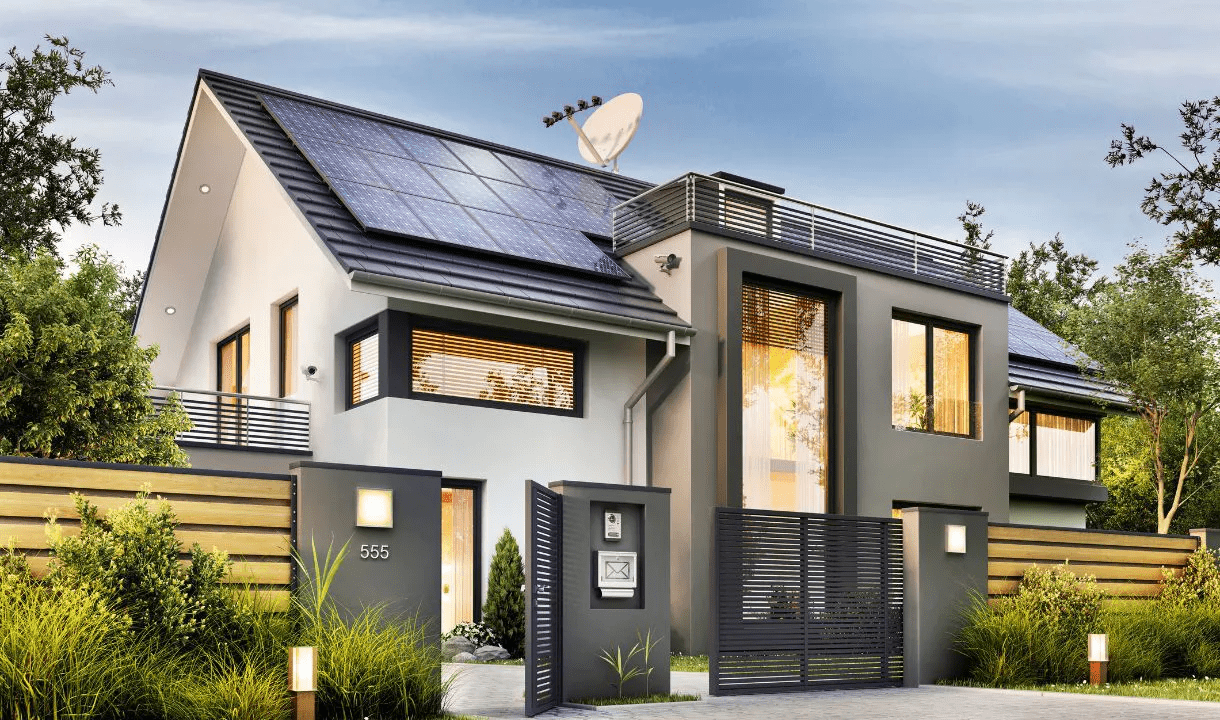
Understanding solar installation cost is very important before making an investment decision. The total cost depends on system size, equipment quality, installation complexity, and whether battery storage is included.
Equipment costs
Equipment is usually the largest part of the investment. A complete rooftop solar system includes several main components:
- Rooftop solar panels
- Solar inverter
- Electrical cables and connectors
- Metal mounting frames and rails
- Safety protection devices
The quality of the equipment directly affects energy production and system lifespan. High-quality solar panels can continue operating efficiently for more than 25 years.
The inverter is another essential component because it converts direct current (DC) electricity into alternating current (AC) electricity for household appliances. Choosing a reliable inverter helps improve system stability and long-term performance.
Installation labor costs
Professional installation services are also included in the total solar installation cost. This usually covers:
- Roof inspection and site survey
- System design and engineering
- Transportation of equipment
- Installation work on the roof
- Electrical connection and testing
Experienced technicians ensure that the system is installed correctly and safely. Proper installation also helps prevent roof leakage, electrical faults, and future maintenance issues.
Battery storage costs
Many homeowners choose to install battery storage systems together with their rooftop solar panels. Batteries allow users to store excess electricity generated during the day and use it at night or during power outages.
Although battery systems increase the initial investment, they provide better energy independence and backup power during emergencies. The price of battery storage depends on capacity, technology, and brand.
Payback period and long-term savings
One of the main reasons people invest in solar panel installation is long-term financial savings. Most residential systems can recover the initial investment within approximately 5 to 7 years through reduced electricity bills.
After the payback period, homeowners continue using free solar electricity for many additional years. In areas with high electricity prices, the savings can be even greater.
In addition to reducing monthly expenses, solar energy systems may also increase property value and reduce carbon emissions.
Solar installation cost
3. Standard rooftop solar system installation process
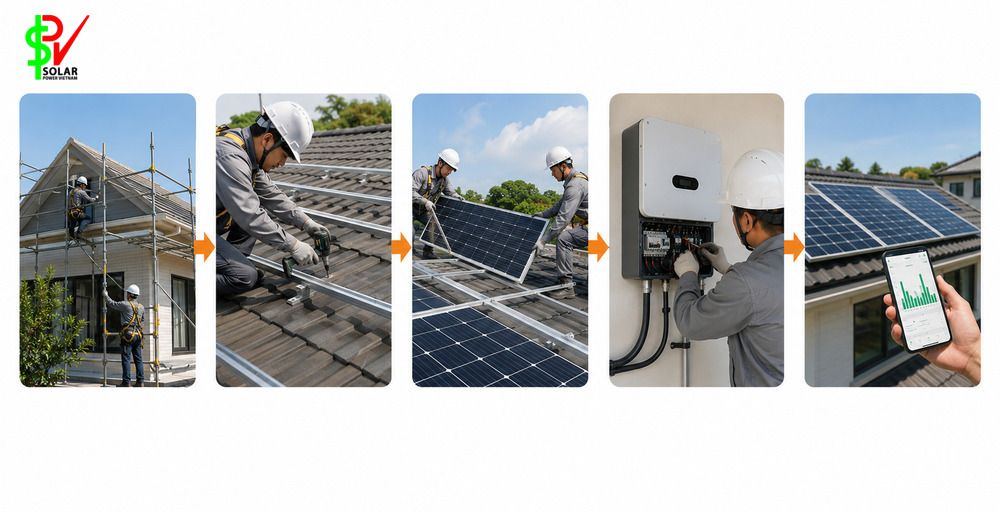
A professional solar panel installation follows several important steps to ensure safety, durability, and optimal system performance.
Step 1: Set up safety scaffolding
Safety always comes first during rooftop work. Technicians install scaffolding and protective equipment around the house before starting installation.
This allows workers to move safely on the roof while carrying heavy equipment and tools. Proper safety preparation also reduces the risk of accidents during the project.
Step 2: Install the mounting structure
The next step is installing metal mounting rails on the roof structure. These rails hold the rooftop solar panels securely in place.
Installers carefully drill and seal connection points to prevent water leakage during rainy seasons. Strong mounting structures are essential because solar systems must withstand wind, rain, heat, and changing weather conditions for decades.
Correct panel angles and alignment are also important for maximizing sunlight exposure and energy production.
Step 3: Place the solar panels
After the mounting rails are completed, technicians carefully position the solar panels onto the structure.
Each panel is securely fixed and aligned properly to maintain both system efficiency and roof appearance. Installers also leave enough spacing between panels for airflow and heat reduction.
Proper placement helps improve cooling and maintain better electrical performance during hot weather.
Step 4: Connect the electrical wiring
Once the panels are installed, technicians connect the electrical wiring between the panels and the inverter system.
The inverter is usually installed in a cool, shaded, and ventilated location to protect it from excessive heat. All electrical connections must follow strict technical and safety standards.
Professional wiring is critical because poor electrical installation may increase the risk of power loss, short circuits, or fire hazards.
Step 5: System inspection and testing
Before the system becomes operational, engineers perform a complete inspection and testing process.
They measure voltage, current, and overall system performance to ensure everything operates correctly. After testing, homeowners receive instructions on how to monitor energy production through a mobile application or monitoring platform.
This allows users to track electricity generation, daily savings, and system performance in real time.
Standard rooftop solar system installation process
4. Difference between residential and commercial solar installation
Although residential and commercial solar installation systems use the same technology, there are several major differences between them.
Similarities between both systems
Both systems convert sunlight into usable AC electricity through solar panels and inverters. They both aim to reduce electricity costs, improve energy efficiency, and support environmental sustainability.
Both residential and commercial systems also require professional design, installation, and maintenance to ensure safe operation.
Scale and installation area
Residential solar systems are usually smaller and designed for individual households. Most homes use between 10 and 20 solar panels depending on electricity demand.
Commercial solar installation projects are much larger. Factories, warehouses, shopping centers, and office buildings may require hundreds or even thousands of panels installed across large rooftops or open land areas.
Because of the larger scale, commercial projects often require more advanced engineering and power management systems.
Installation time and complexity
A residential rooftop solar system can usually be installed within 1 to 2 days under normal conditions.
Commercial systems take significantly longer because they involve more equipment, larger electrical capacity, and more complex technical requirements. Some industrial projects may require several weeks or even months to complete.
Commercial installations may also involve additional approvals, grid connection procedures, and structural engineering evaluations.
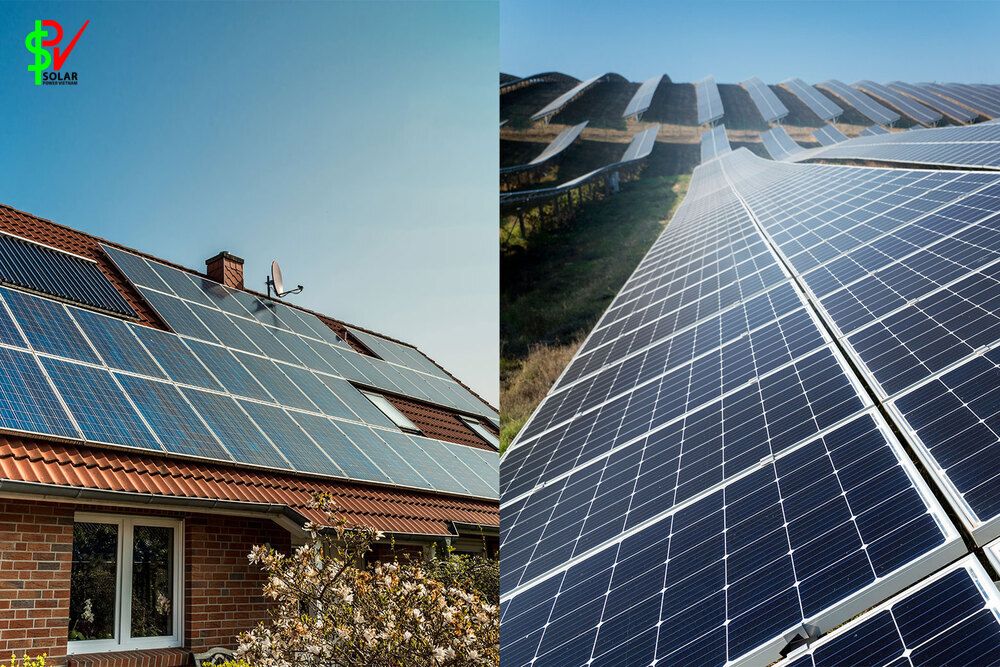
Difference between residential and commercial solar installation
5. Important notes to ensure reliable installation
Choosing the right installer is one of the most important factors for a successful solar panel installation project.
Choose experienced and certified installers
Solar installation involves working with high-voltage electricity and rooftop construction. Inexperienced technicians may create safety risks or system failures.
Homeowners should always work with licensed and experienced solar companies that follow professional installation standards.
A reputable installer can also provide better system design recommendations based on roof conditions, energy usage, and long-term goals.
Transparent warranty policies
Reliable solar companies provide clear warranty information for both equipment and installation work.
Most solar panels today come with performance warranties ranging from 20 to 25 years. Inverters usually have warranties between 5 and 15 years depending on the manufacturer.
Homeowners should also ask about roof leakage warranties and after-sales technical support before signing any contract.
Verify genuine equipment
The market now includes many low-quality or counterfeit solar products. Using poor equipment can reduce efficiency, shorten system lifespan, and create safety concerns.
To avoid these risks, customers should request official certificates, warranty documents, and proof of product origin before installation.
Solar Power Vietnam recommends choosing internationally certified equipment that meets safety and quality standards.
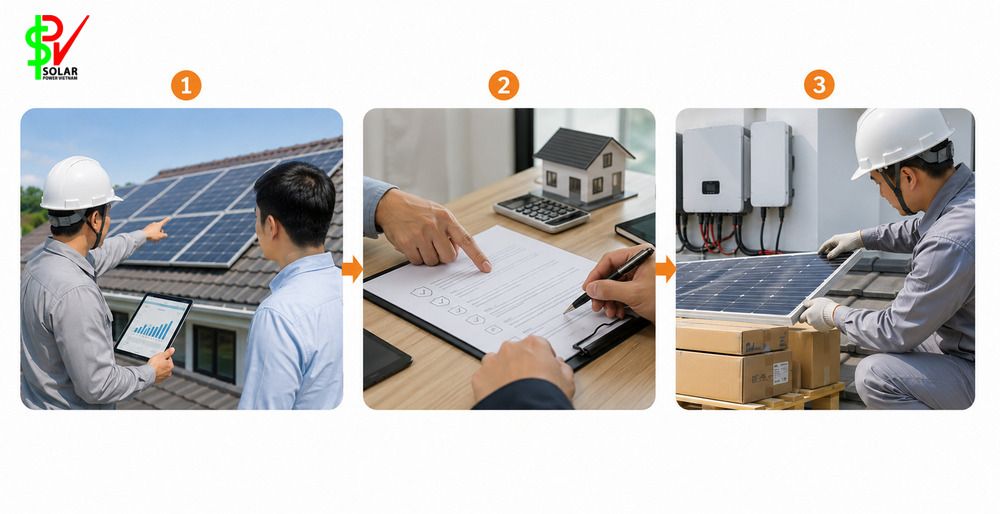
Important notes to ensure reliable installation
6. Frequently asked questions (FAQ)
Question 1: Can I buy the equipment and install the system by myself at home?
Answer: Self-installation is not recommended. Solar panel installation requires professional electrical knowledge and rooftop safety experience. Incorrect installation may cause accidents, fire hazards, or system damage.
Question 2: Do rooftop solar panels work on cloudy or rainy days?
Answer: Yes. Solar panels generate electricity from daylight, not only direct sunlight. Although production levels decrease during cloudy or rainy weather, the system still continues generating power.
Question 3: Can solar panels be installed on glass roofs or old tile roofs?
Answer: Yes. Professional installers use specialized mounting systems for different roof types such as tile roofs, metal roofs, and concrete roofs. However, old or damaged roofs should be repaired before installation.
Question 4: Does the system require complicated maintenance after installation?
Answer: No. Solar systems are designed for long-term operation with minimal maintenance. In many cases, rainwater naturally helps clean the panel surfaces. Annual inspections and professional cleaning are usually enough.
Question 5: If the national power grid loses electricity, can I still use solar power at home?
Answer: Standard grid-tied systems automatically shut down during power outages for safety reasons. If you want backup electricity during blackouts, you need a battery storage system.
Investing in solar panel installation is a smart long-term solution for homeowners who want to reduce electricity bills and use clean energy more efficiently. A properly installed rooftop solar system can provide reliable performance for decades while increasing energy independence. To achieve the best results, homeowners should always work with trusted professionals like Solar Power Vietnam for proper consultation, roof inspection, and high-quality installation services.