
Jul
News
Solar Battery Storage: A Complete Solar Energy Storage Solution For Your Home
Installing a solar battery storage system is the perfect solution to help your family stop worrying whenever the power grid suddenly fails. Instead of wasting excess electricity generated from solar panels during the daytime, a high-quality solar battery can store that energy for use at night, allowing you to comfortably run lights, air conditioners, and household appliances. Having your own energy storage system not only helps reduce electricity bills significantly but also protects household electrical devices more effectively. Solar Power Vietnam help you understand how solar battery storage works and how to choose the right storage solution below.
1. What is a solar battery storage system?
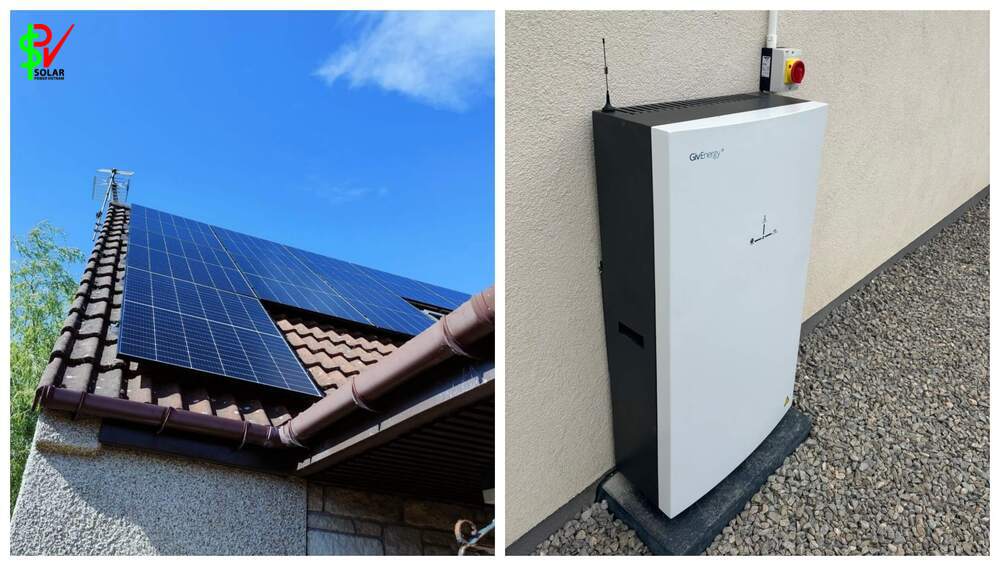
The easiest way to understand a solar battery storage system is to think of it as a giant power bank made specifically for your home. Instead of charging a phone, this battery stores energy to power larger devices such as refrigerators, televisions, fans, and lighting systems.
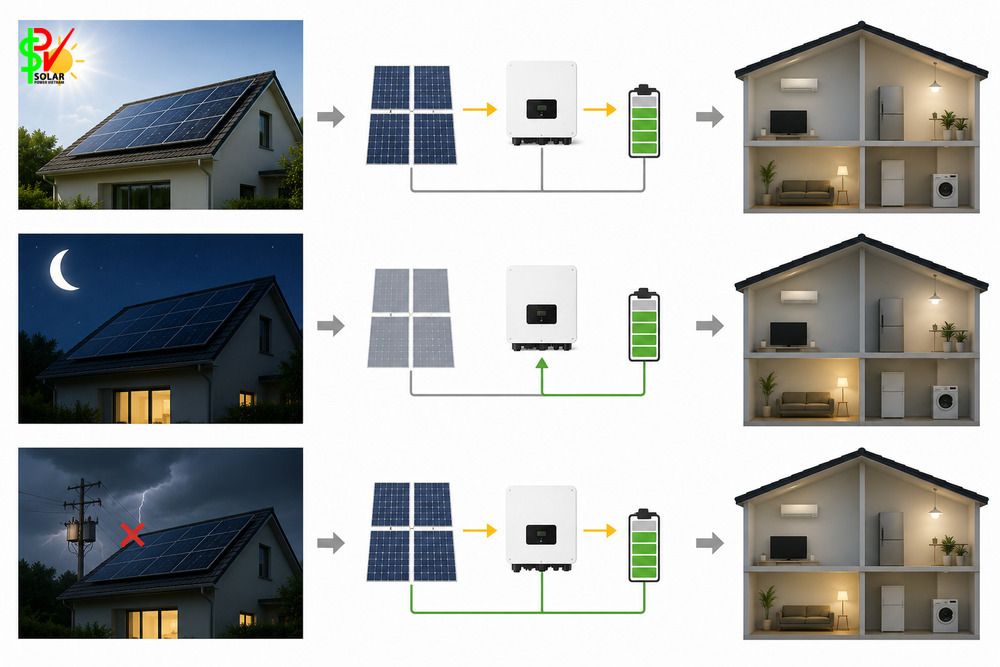
The system works completely automatically in real time through 3 main stages during the day:
Daytime stage (Absorbing and storing energy)
During sunny hours, solar panels usually generate much more electricity than the household needs. In a normal grid-tie system, this extra electricity may go unused. However, with a solar battery system, the smart inverter automatically redirects the excess electricity to fully charge the storage battery.
Nighttime stage (Using stored energy)
When the sun sets, solar panels stop producing electricity completely. Instead of buying expensive electricity from the utility grid at night, the system automatically activates the battery storage. The battery releases the clean energy stored during the daytime to power household appliances throughout the night.
Emergency stage (Power outage)
This is one of the most valuable features of the storage system. When the utility grid fails due to electrical problems or maintenance work, the solar battery storage system immediately acts as an emergency backup power source, keeping your essential household devices running without interruption.
Solar battery storage system
2. Real benefits of installing a solar battery for your home
Installing a solar battery system provides many practical benefits for your family’s daily life, not just theoretical advantages.
Energy independence and protection from sudden power outages
When your neighborhood suddenly loses power during a hot summer night, your home can still stay bright and comfortable. The system keeps important devices operating continuously 24/7, such as:
- Security camera systems and smart door locks to protect your home.
- WiFi routers so your work or online learning is not interrupted.
- Freezers and refrigerators to prevent food from spoiling.
Reduce electricity bills during peak hours
Electricity prices are often highest during evening peak hours (from 5 PM to 8 PM), which is also when families use the most electricity after returning home from work or school. By using free energy stored in the battery during these hours, you can avoid paying expensive electricity costs and significantly reduce monthly utility bills.
Maximize solar panel efficiency
Without battery storage, most families only use around 40% to 50% of the electricity generated during the daytime because people are usually away from home. Installing solar battery storage allows you to save almost all excess electricity, increasing energy usage efficiency to nearly 100%.
Real benefits of installing a solar battery for your home
3. Comparing popular battery technologies on the market
Currently, there are two main battery storage technologies commonly used for homes. Understanding the advantages and disadvantages of each type helps you make the right purchasing decision and avoid wasting money.
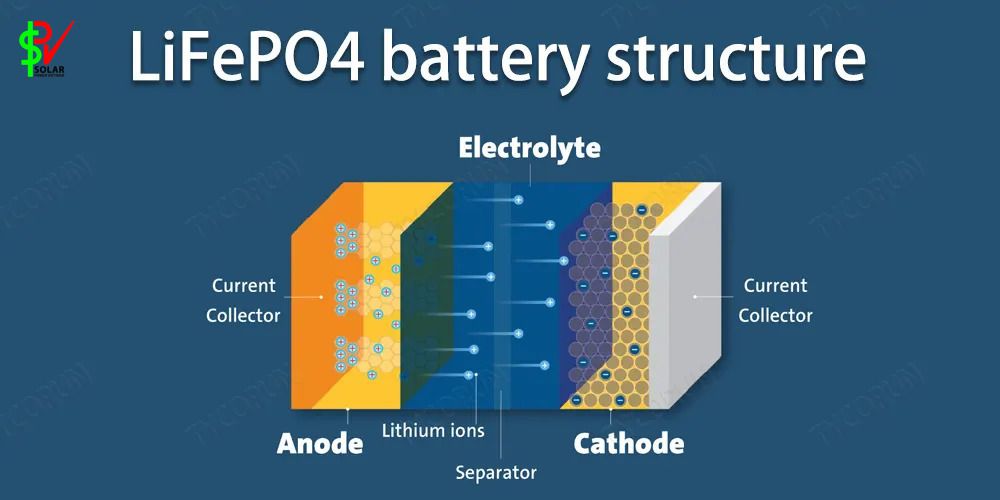
Lithium-ion batteries (especially LiFePO4)
This is the most modern battery technology today, similar to the technology used in smartphones and electric vehicles but designed for larger and safer energy storage systems. LiFePO4 batteries are considered the gold standard for residential solar systems.
Advantages: Excellent depth of discharge (DOD), allowing you to use 80% to 90% of battery capacity without damaging the battery. These batteries have a very long lifespan, usually from 10 to 15 years. In addition, Lithium batteries are compact, visually modern, and do not release noise or toxic gases during operation.
Disadvantages: Higher initial investment cost compared to older technologies.
Lithium-ion batteries (especially LiFePO4)
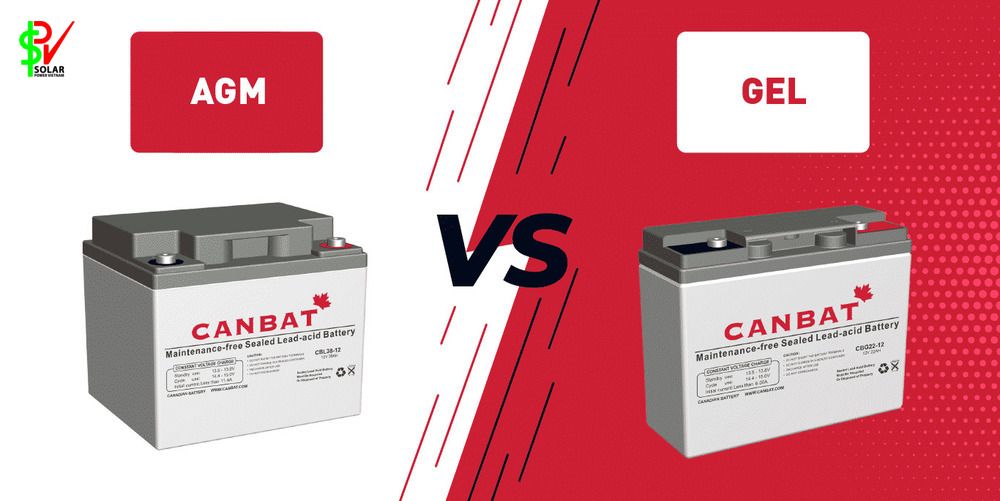
Lead-acid batteries (GEL or AGM)
This is a traditional battery technology that works similarly to the batteries used in motorcycles and cars.
Advantages: Affordable price, low initial investment cost, and easy to find on the market.
Disadvantages: You should only discharge about 50% of battery capacity, otherwise the battery may degrade very quickly. Lead-acid batteries also have a short lifespan, usually only 2 to 3 years before replacement is needed. In addition, they are heavy, bulky, and must be installed in well-ventilated areas because they may release small amounts of acidic gas during charging.
Lead-acid batteries (GEL or AGM)
4. Guide to calculating the right battery storage capacity for your needs
To avoid buying a battery system that is too large and expensive or too small for your needs, you can estimate your family’s storage demand with the following simple steps.
Step 1: List devices that must operate during power outages
Choose the devices that are truly necessary for your family’s basic needs at night or during a blackout. Avoid including high-power devices such as induction cookers or large water pumps unless absolutely necessary.
Step 2: Calculate total energy consumption (Wh)
Take the power rating of each device (in Watts – W) and multiply it by the number of hours you want to use it at night.
Example:
- 5 LED light bulbs (20W each) used for 5 hours: 5 × 20W × 5h = 500Wh
- 1 refrigerator (100W) running continuously for 10 hours: 100W × 10h = 1000Wh
- 1 electric fan (60W) used for 8 hours: 60W × 8h = 480Wh
- 1 WiFi modem (20W) running for 10 hours: 20W × 10h = 200Wh
Total evening energy consumption: 500Wh + 1000Wh + 480Wh + 200Wh = 2180Wh
(about 2.18 kWh)
Step 3: Choose the actual battery capacity
Since batteries should not be fully discharged to 0%, even Lithium batteries, you should select a battery system with around 20% to 30% more capacity than your actual demand. For the example above, a 3kWh to 5kWh storage battery would be a safe and comfortable choice for your family.
Guide to calculating the right battery storage capacity for your needs
5. Important factors when choosing a reliable energy storage system
When buying a solar battery storage system, instead of focusing only on marketing claims, you should carefully check these 3 important technical factors:
Depth of Discharge (DOD)
This specification shows the percentage of battery capacity you can safely use without reducing battery lifespan. You should prioritize battery models with a DOD of 80% or higher. A higher DOD means you can use more stored electricity efficiently.
Brand and warranty policy in Vietnam
Battery storage systems operate continuously under high load, so after-sales support is extremely important. Choose products from brands that have official representatives or technical support in Vietnam. It is best to select products with official warranties of at least 5 years.
Expandable battery capacity
Your family’s electricity demand may increase in the future, for example when buying more air conditioners or adding new appliances. Therefore, choose modular battery systems that allow you to add more battery units later without replacing the entire old system.
Important factors when choosing a reliable energy storage system
6. Frequently asked questions (FAQ)
Below are the most common questions homeowners ask when learning about solar battery storage systems.
Question 1: Can I install a solar battery storage system after already installing solar panels?
Answer: Absolutely. However, this depends on your current inverter. If your inverter is a Hybrid inverter that supports battery charging, you can simply connect the battery system. If your current inverter is only a standard grid-tie inverter, you may need an additional charging controller or upgrade to a Hybrid inverter.
Question 2: How long does a solar battery usually last?
Answer: Battery lifespan depends completely on the technology you choose. Traditional lead-acid batteries usually last around 2 to 3 years. Modern Lithium batteries (LiFePO4), however, can operate stably for 10 to 15 years (around 6,000 charging cycles) before battery performance falls below 80%.
Question 3: Is it safe to install a battery storage system inside the house? Is there any fire risk?
Answer: If you use modern Lithium batteries from trusted brands, the system is extremely safe. High-quality storage batteries include an intelligent Battery Management System (BMS) that constantly monitors temperature and electrical current. The system automatically disconnects the battery if overheating, overcharging, or electrical faults are detected, greatly reducing fire risks.
Question 4: When the utility grid loses power, does the system automatically switch to battery storage or do I need to do it manually?
Answer: The process is fully automatic thanks to the smart Hybrid inverter. When the grid fails, the system switches to battery power in less than 20 milliseconds. This speed is so fast that televisions and computers continue operating normally without restarting, and your family may not even notice the outage.
Question 5: Is the installation cost expensive and how long does it take to recover the investment?
Answer: Currently, high-quality Lithium battery systems are still relatively expensive compared to many household electrical devices. Because of this, the payback period for a solar system with battery storage is usually longer (around 7 to 9 years) compared to a normal grid-tie system. However, the biggest value is not only financial savings, but also comfort, convenience, and peace of mind whenever power outages happen.
A solar battery storage system helps your family use solar power more efficiently both day and night. The stored energy can supply electricity during power outages and reduce expensive evening electricity costs. With the right solar battery capacity, your home can become more energy independent and comfortable every day. Solar Power Vietnam recommends choosing a reliable storage solution to ensure stable performance, long battery life, and better long-term savings.